
Which vibrating screen panels are best for aggregate processing?
Selecting the best vibrating screen panels depends on a calculated balance of TPH (tons per hour) requirements and the abrasion index of the feed, such as granite with a Mohs hardness of 6-7. High-carbon steel offers a 70% open area for maximum throughput but fails within 400 hours in wet conditions, whereas modular polyurethane panels provide a 6:1 wear life ratio and reduce noise by 8 decibels. For scalping rocks over 150mm, reinforced rubber surfaces absorb 90% of kinetic impact, preventing frame cracking and maintaining a 98% sizing accuracy across the screen deck.
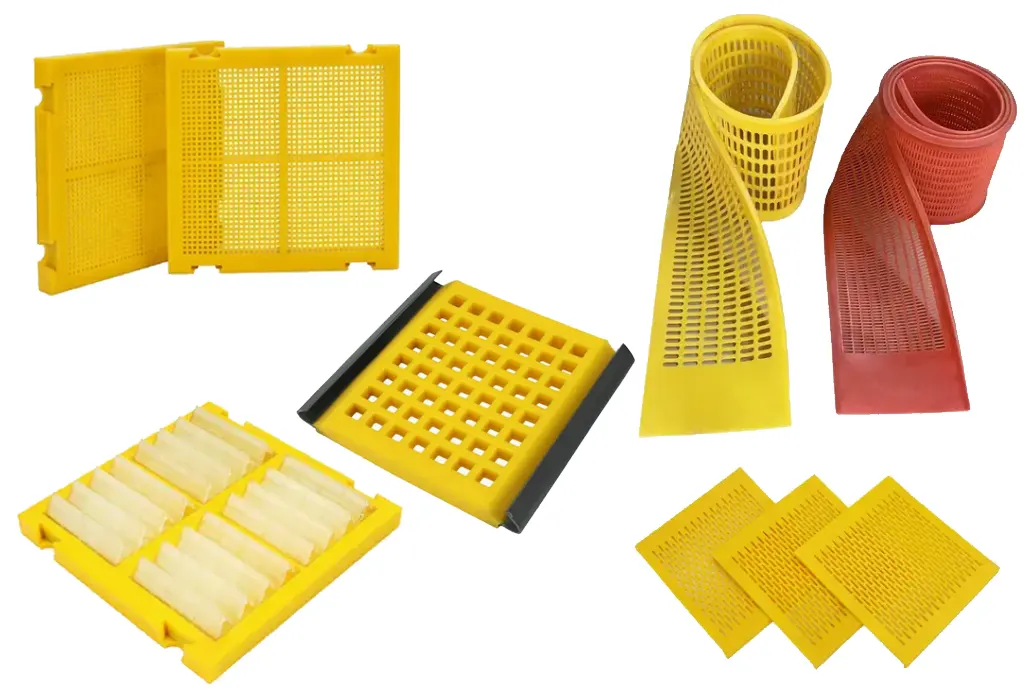
The global demand for high-quality aggregates reached 52 billion metric tons in 2025, forcing quarry operators to minimize downtime caused by frequent mesh replacements and blinding issues. When a screening plant processes 500 tons per hour, even a 2% drop in efficiency due to pegging results in 10 tons of misplaced material every hour, devaluing the final stockpiles.
"A study of 12 North American quarries in 2024 showed that switching from woven wire to synthetic modular systems reduced unplanned maintenance stops by 34% over a six-month observation period."
These efficiency gains shift the focus toward the physical properties of the screening surface, where the choice between tensioned and modular systems dictates the total cost of ownership. Woven wire mesh remains a standard for dry, non-abrasive applications because the thin diameter of the wires allows for the highest possible percentage of passing space.
However, the rapid degradation of steel in high-silica environments leads to aperture deformation, where a 20mm opening expands to 23mm after only 200 hours of service, compromising ASTM grading standards. This mechanical failure necessitates a move toward more resilient materials like polyurethane, which maintains its structural integrity through millions of vibration cycles.
"Field data indicates that vibrating screen panels made from high-durometer polyurethane can sustain continuous 24/7 operation for 2,500 hours before the aperture wear exceeds the 10% tolerance limit."
Beyond simple durability, the chemical composition of these synthetic panels allows them to handle moisture levels exceeding 5%, which typically causes "clogging" or "blinding" in traditional metal screens. Polyurethane acts as a natural thermal insulator and has a lower coefficient of friction, ensuring that sticky fines slide through the apertures rather than sticking to the surface.
| Feature | High-Carbon Steel | Polyurethane (PU) | Natural Rubber |
| Open Area % | 65% - 75% | 35% - 50% | 30% - 45% |
| Wear Life (Relative) | 1x | 5x - 8x | 6x - 10x |
| Max Feed Size | < 100mm | < 150mm | < 400mm |
| Noise Reduction | 0 dB | 4 - 6 dB | 8 - 12 dB |
The reduction in surface friction directly correlates to the energy required to move material across the deck, allowing gravity and centrifugal force to do the heavy lifting. While polyurethane dominates the fine-screening stages, the primary scalping phase requires a material capable of withstanding the massive kinetic energy of falling boulders.
Heavy-duty rubber panels are specifically engineered for these high-impact zones, often featuring a thickness of 40mm to 100mm to cushion the impact of rocks weighing over 50kg. Without this cushioning, the vibration energy is transferred directly into the steel sub-frame of the machine, increasing the risk of structural stress fractures by 40% within the first year of operation.
"In a 2023 experimental sample of three mobile crushing plants, those utilizing rubber impact zones reported a 15% reduction in power consumption for the vibrating motor due to better mass distribution."
The ability of rubber to absorb sound also addresses strict environmental regulations in European and North American suburban sites, where noise levels must stay below 85 decibels at the property line. This acoustic benefit allows quarries to operate longer hours without violating local permits, effectively increasing potential annual output by 20% compared to noisy steel-only operations.
When moisture becomes the primary obstacle, such as in limestone processing during winter months, self-cleaning wire screens offer a hybrid solution by utilizing independent wire movement. These wires vibrate at different frequencies—typically between 30Hz and 120Hz—which physically ejects trapped particles and prevents the buildup of "cakes" that blind the screen.
Using these specialized surfaces can recover up to 12% more usable product from waste piles that were previously considered unscreenable due to high clay content. The transition from one panel type to another should be viewed as an engineering upgrade rather than a simple parts replacement, involving a full audit of the screen's stroke, frequency, and inclination.
Optimal deck performance usually involves a "step-down" configuration, where the first 30% of the deck uses heavy-duty impact panels and the remaining 70% focuses on high-precision sizing. This layout ensures that the largest stones are managed early, protecting the finer, more expensive synthetic panels further down the line.
| Material Type | Recommended Application | Typical Replacement Cycle |
| Stainless Steel | Highly Corrosive / Food Grade | 6 - 9 Months |
| Tensioned PU | Sand & Gravel Sizing | 12 - 18 Months |
| Steel-Backed Rubber | Primary Scalping / Granite | 18 - 24 Months |
| Self-Cleaning Mesh | Wet / Sticky Limestone | 3 - 5 Months |
The final selection must also account for the physical installation time, as modular systems allow for "spot replacements" of single 305mm x 305mm panels rather than replacing a whole 2-meter section of mesh. Reducing a replacement task from 4 hours to 45 minutes saves thousands of dollars in labor and lost production time, directly improving the bottom line for high-volume aggregate producers.
Step inside the fan archive.
Weekly long-reads, exclusive interviews, and the only Zooey Deschanel photo archive older than 2010 — delivered every Sunday.